Property Management
 Careers









May also interest you....


Selling special types of property in Dubai
5 min read

Cost of selling property in Dubai
5 min read




 Insights Could Dubai face a real estate price correction in 2026? key risks to watch
Every strong property cycle eventually reaches a point where people stop asking how high prices can go and start asking how stable they really are. That shift is already visible across Dubai as 2026 approaches. Buyers are still active, sales are still happening, but conversations feel different. People don't make rushed decisions; they do property comparisons and wait for the right timing before committing.
A correction in the Dubai real estate market in 2026 would not mean a crash. It would mean prices slowing, flattening, or dipping in certain areas after several years of strong growth. The signs that lead to a correction do not appear overnight. They show up in borrowing costs, supply levels, investor behaviour, and how comfortable everyday buyers feel making long-term commitments.
The blog will guide you through the signs, risks, and key points to help you see what the market may face in 2026.
Dubai could see a small cooling in 2026, not a crash. Prices may slow, flatten, or dip in some areas if high interest rates and 42,000-45,000 new homes arrive faster than buyers can absorb. Apartments and off-plan-heavy zones look riskier; villas usually hold firmer.
Dubai’s property market in 2026 reflects how buyers and investors respond to price momentum, access to financing, and confidence in long-term growth rather than short-term shifts. Purchasing decisions depend on affordability at the monthly payment level, expectations of future price movements, and the speed with which capital can move between markets. Investor timing also plays a role, as some participants act early to secure positions while others wait for clearer signals before committing. These forces shape transaction volume, negotiation behaviour, and price direction across different segments, and set the overall market tone before specific challenges arise.
As 2026 approaches, the market’s direction depends on several factors rather than one single cause. These influences affect buyer confidence, investment timing, and price movement in different ways across property types and locations. The risks below outline the key areas where challenges may arise and how each one could influence the market.
Interest rates shape the UAE property market in a strong way because local lending follows the moves of the US Federal Reserve. When the Fed raised rates from 2022 onward, mortgage costs across UAE banks also rose. Buyers felt the change in monthly payments, loan eligibility, and long-term planning.
The path for 2026 depends on how the US manages inflation. A rate cut would give UAE buyers more room to act and may support demand. A long period of high rates could reduce affordability and slow price growth in specific market segments. Interest rate pressure does not act alone, but it sits near the centre of any talk about a Dubai property price drop in 2026 because borrowing costs set the pace for end-user activity as well as leveraged investment.

Dubai’s property market has seen rapid growth in recent years, especially after the post-pandemic boom. Developers have been quick to respond to increased demand, and off-plan launches have hit record levels. Dubai real estate is about to cross over 42,000 to 45,000 new units that could hit the market in 2026. While a large supply pipeline isn’t inherently a threat, a mismatch between the influx of new homes and the speed at which buyers absorb them could lead to a mild price correction.
Areas such as Dubai Hills Estate, JVC, Arjan, and parts of Dubailand are already seeing a rise in new handovers. Investors who once waited for new launches are now leaning towards ready-to-move-in units, as the supply of completed properties expands. Renters in tight markets may find more options available, and potential buyers might take longer to make decisions. These small yet essential shifts in behaviour can affect prices, particularly when demand fails to keep pace with new supply.
Rising rent has become one of the clearest pressure points in the UAE property market. Many households saw rent climb far faster than salaries in recent years, which pushed monthly budgets to a tighter place. A contract that once sat near 75,000 can now reach 100,000 in some areas, and that kind of jump creates a pause for young families. Some who planned to buy a townhouse now hold back because prices stretch beyond their comfort level. These shifts highlight how daily life choices reflect the strain caused by rising housing costs.
At the household level, this strain manifests in a series of practical decisions.
A stable market needs a clear link between income and property values. When that link widens too far, demand cools as people wait for a more balanced entry point. A mild correction in 2026 could give the market space to realign and create room for mid-income buyers again. The city grows as new residents arrive, yet choices around renting, saving, or delaying a purchase offer a quiet view of underlying market strain.
Dubai’s real estate market closely follows global trends. A slowdown in key markets such as Europe or Asia can reduce investor confidence, which leads to a more cautious approach. Fluctuations in oil prices also play a major role. Rising oil prices boost demand in Dubai, while falling prices can have the opposite effect, which slows growth in some sectors. Despite these challenges, Dubai has consistently demonstrated its ability to withstand global shocks and remains a prime destination for investors seeking stability.
Dubai’s real estate market benefits from clear regulations, fast transactions, and consistent demand. However, global conditions still influence local sentiment. A correction in major cities can shift investor focus to Dubai, while a worldwide slowdown may introduce caution. Global sentiment changes often reach Dubai quickly, and show how interconnected the world’s markets truly are.
Regulatory measures play a key role in shaping supply and demand within Dubai’s real estate market. The UAE’s introduction of residency options linked to property investment, such as the ten-year golden visa for property buyers meeting certain financial thresholds, has attracted many foreign investors. Such policies directly affect demand and push it toward higher or lower levels, depending on the specifics of the regulation.
In addition to residency visas, changes in transaction fees or rental regulations can reshape the market. For instance, adjustments to transaction fees or rental rules can either stimulate or cool demand across various market segments. A shift in visa policy, expected in early 2026, could influence certain property segments, potentially driving demand in some areas while slowing it in others. These policy shifts will remain an important factor in how the market evolves in the coming years.
The luxury and ultra-luxury segments of Dubai’s real estate market have seen impressive price growth by drawing attention from global investors. Villas in Palm Jumeirah reached record prices, and areas like Jumeirah Islands and Emirates Hills saw values climb far beyond pre-pandemic levels. Luxury buyers behave differently from mid-income buyers. They are more sensitive to global wealth cycles, which makes these segments more vulnerable to global economic slowdowns.
A mild correction in these high-end markets could occur if global wealth declines or if new waterfront developments add supply and affect prices. The luxury market rarely moves in a straight line. It rises, cools off, and rises again. A shift in global conditions, driven by supply changes, could lead to price adjustments in these segments and contribute to a potential correction in 2026.
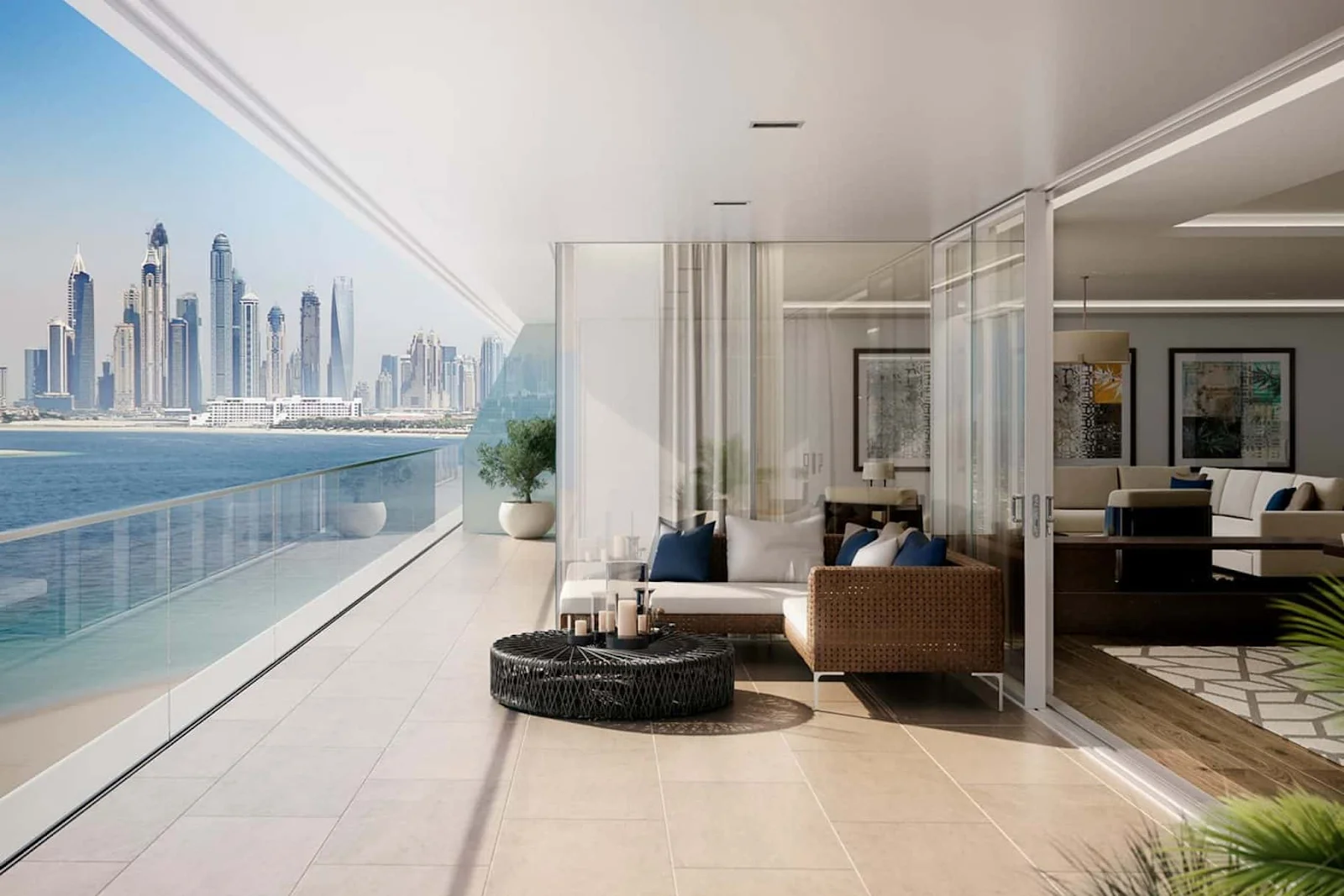
Dubai’s short-term rental market grew fast as tourism increased, with over 18.7 million visitors in 2024. This boom in tourism made holiday homes a popular choice for investors and tourists. In 2025, short-term rental properties still provided good returns for owners with strong occupancy rates.
However, if tourism slows or new rules make renting out homes more difficult, some investors may decide to sell. If rental income drops, more properties could hit the market which would increase supply. This could reduce demand for short-term rentals and impact prices. These changes could contribute to a slight market correction in 2026, especially in areas reliant on short-term rentals.
A real estate correction in Dubai is more likely to be a mild pullback than a sharp decline. The city benefits from strong population growth, a steady flow of tourists, and continued global investor interest. A correction of 5-12% could occur in specific segments if the supply of new homes grows faster than end-user demand.
The impact of a correction would vary across different property segments:
A sharp correction would require a mix of factors, including a global recession, prolonged high interest rates, and a supply far exceeding absorption capacity. Currently, the market shows steady demand through 2025, but a cooling phase in 2026 may occur if supply peaks.
As the market moves closer to 2026, attention shifts from predictions to signals visible in everyday activity. For many buyers and investors, the key question is whether property prices will rise or fall in 2026. Interest rate direction remains one of the clearest indicators, as changes in borrowing costs can influence buyer confidence and timing. At the same time, the pace of new handovers matters, since a faster flow of completed homes can lengthen selling periods and encourage more careful negotiation.
Rental demand offers another practical reference point. Stable occupancy tends to support prices, while softer rental performance may prompt some owners to reassess their position. Investor resale activity also deserves attention, particularly in locations with a high volume of off-plan supply. Alongside these trends, policy updates related to visas, transaction fees, or rental rules can quickly shape demand patterns. Together, these signals help buyers and investors form clearer expectations without relying on short-term speculation.
The risks to the Dubai real estate market in 2026 largely depend on factors such as supply levels, interest rates, global trends, and local policies. While a correction in Dubai’s real estate market in 2026 is possible, it is not guaranteed. Dubai attracts people and investors because of its strong long-term growth potential. If a mild cooling phase occurs, it could help balance supply and demand without affecting long-term confidence. Anyone looking to buy or invest in the coming year should stay patient and watch the market closely. A thoughtful, long-term approach is far more effective than rushing into decisions based on short-term changes.
If you're considering buying or investing in Dubai's real estate, now is the time to stay informed about potential market shifts. Contact us today for expert guidance on the 2026 market and making informed decisions in Dubai’s ever-changing real estate landscape.
What is driving the real estate market in Dubai?
Dubai’s real estate market is driven by population growth, strong tourism, foreign investor interest, and supportive government policies that encourage long-term residency and property ownership.
How does tourism affect Dubai’s property market?
Tourism increases demand for short-term rentals and supports rental yields, which strengthens investor interest and helps sustain property values in key locations.
Are there signs of a property price correction in Dubai in 2026?
A mild correction in 2026 is possible if new supply grows faster than demand, particularly in areas with high off-plan completions.
Will property prices rise or fall in 2026?
Property prices in 2026 may stabilise or soften in specific segments, rather than decline across the market, depending on interest rates, supply levels, and buyer demand.
How do global economic conditions influence Dubai real estate?
Global slowdowns or financial uncertainty can affect investor sentiment, while stable global conditions tend to support capital flows into Dubai’s property market.
What role does new supply play in Dubai’s property prices?
New supply can place pressure on prices if absorption slows, especially in locations with large volumes of similar properties entering the market at once.
How are mortgage rates affecting Dubai’s real estate market?
Higher mortgage rates reduce affordability for some buyers, which can slow sales activity and temper price growth in finance-dependent segments.
Which property types face a higher correction risk?
Apartments in areas with heavy off-plan supply face higher correction risk, while villas and townhouses in established communities tend to remain more stable.
How do visa policies impact Dubai’s property market?
Visa policies linked to property ownership attract foreign buyers, support demand, and encourage longer-term investment in residential real estate.
Should buyers be concerned about supply growth in Dubai?
Buyers should closely monitor supply growth, as excess supply without matching demand can lead to longer selling periods and price adjustments in specific areas.