Property Management
 Careers








May also interest you....

Selling special types of property in Dubai
5 min read
Cost of selling property in Dubai
5 min read




 Insights Will Dubai's 2025–2027 supply pipeline impact property prices in 2026?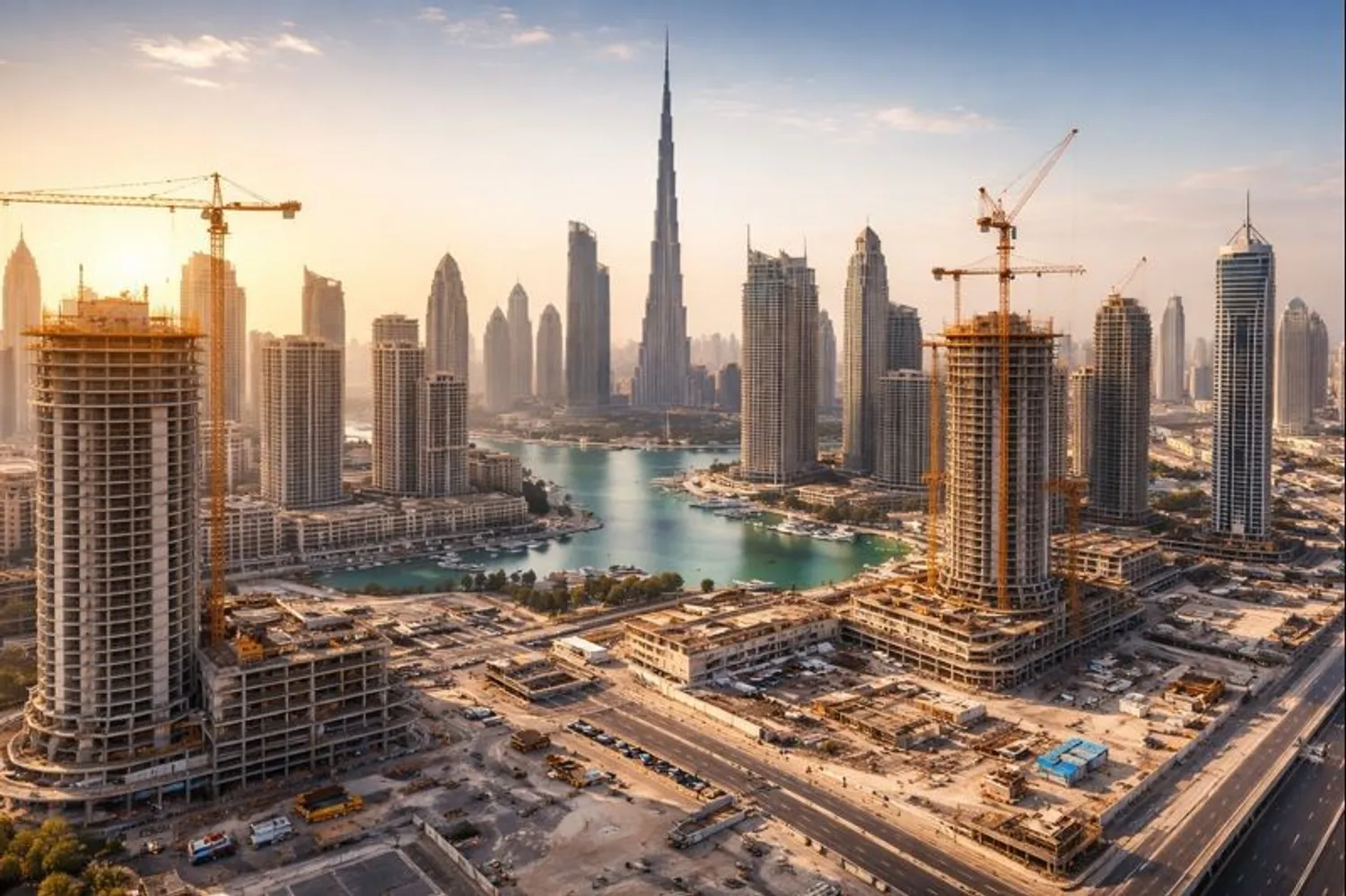
The question many buyers have on their minds is what the Dubai property market might look like in 2026 as thousands of new homes move closer to completion. The city has been building at a fast pace, and the next few years will bring one of the largest handover cycles in recent memory. The demand across Dubai is also strong, with more residents arriving, more jobs being created, and more people choosing the city for the long term. These shifting conditions have sparked plenty of curiosity about where prices could head next. Some expect more options, others expect stability, and many are trying to understand how these changes could shape their plans.
This blog discusses the Dubai property supply outlook 2025–2027 and how it may influence the buying landscape in 2026.
A lot of new homes are being handed over in Dubai, but it won’t feel the same everywhere. Some apartment-heavy areas will have more options, so buyers may find it easier to negotiate. In villa communities and popular neighbourhoods, there still won’t be many homes to choose from, so prices will be steady. What really matters in 2026 is where the new buildings are built and how many people move in at the same time.
Developers haven’t slowed down at all. The past few years saw a rush of new project launches, and many of those projects are now approaching completion. When you look at the numbers, you start to see why people are paying closer attention to the next few years.
Market estimates suggest:
Anyone who has followed Dubai property for a while knows that not every project arrives exactly when promised. Timelines shift, paperwork takes longer, or construction takes longer. So the supply doesn’t hit the market in one clean wave; it spreads out.
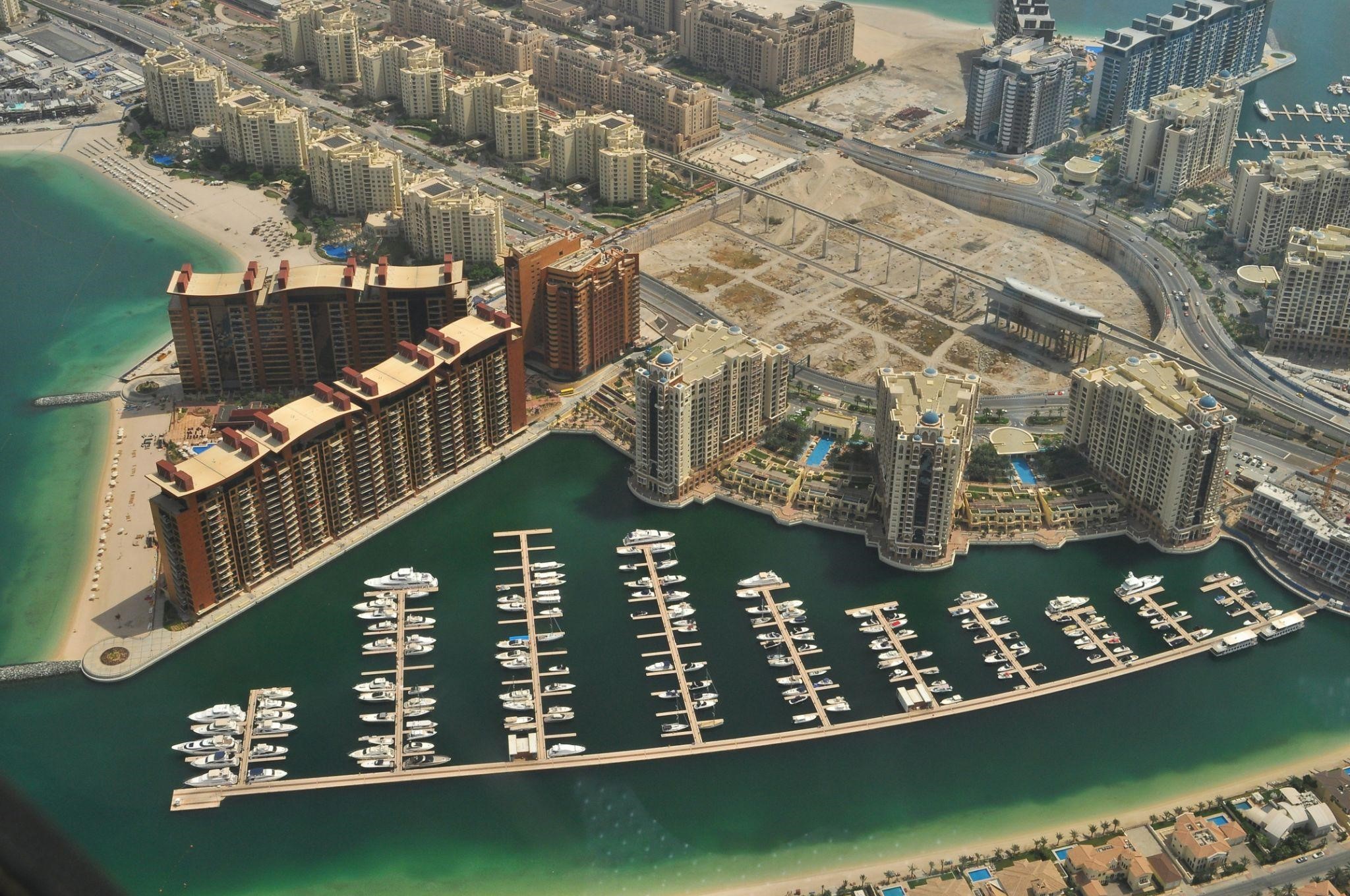
Once you look a little closer, you start to see clear pockets of activity across the city. Most of the upcoming homes are taking shape in a few familiar areas:
Each area plays its own role in the bigger picture. Dubai South is getting more attention because people see long-term growth linked to the airport and the communities forming around it. Jumeirah Village Circle has mid-range apartments that suit everyday budgets, so it is a practical choice for young buyers and steady rental demand. MBR City sits on the higher end, with large projects that appeal to buyers who want more space and upgraded finishes.
When thousands of new homes come online, the effect is never the same across the whole city. Some neighbourhoods feel the change quickly, while others barely notice it. In apartment-heavy districts where several similar towers are being handed over around the same time, price growth can slow because buyers have more choice. People can compare units, negotiate more confidently, and take their time instead of rushing into a deal.
Villa communities follow a very different pattern. Areas like Dubai Hills Estate, Arabian Ranches, and Jumeirah Park have limited land and far fewer new phases in the pipeline. Families looking for space, gardens, and long-term homes tend to focus on these neighbourhoods, and that steady demand keeps prices firmer even as apartment supply rises elsewhere.
A large share of new homes also goes straight into the rental market. Many owners continue with their payment plans and choose to lease their units instead of selling them. So, the number of properties listed for resale grows much more slowly than the number of properties being completed. That gap plays a quiet but important role in keeping prices from slipping.
All of this means that 2026 is anticipated to feel different depending on where you look. In high-supply clusters, buyers may find more room to negotiate. In neighbourhoods with limited new stock, competition is likely to stay strong.
Some people expect property prices to drop automatically when supply grows. It sounds logical, but Dubai doesn’t behave like a typical market.
Here’s why:
Dubai crossed 4 million residents, and the population keeps rising. Every new family, every new worker, and every new long-term resident needs a place to live. That simple shift in population makes a huge difference. Even in years when thousands of homes are handed over, the city absorbs them faster than most people expect.
Developers structure payment plans to spread costs over a long period, sometimes stretching well beyond handover. Because of that, owners prefer renting the unit and continuing with their payment plan rather than selling right away. So even though the number of completed homes looks large on paper, far fewer end up listed for sale at the same time. The ready market doesn’t feel the full impact immediately, and that helps stabilise prices across the city.
Most of the upcoming stock is focused on apartments. Villas fall into a completely different category. Supply in this segment is limited, and new phases take longer to plan, build, and hand over. If any segment shows signs of easing in 2026, it could be the mid-range apartment market, especially in communities with multiple projects reaching completion at the same time. Villa neighbourhoods in Dubai may stay competitive because there aren’t enough homes to meet the demand from families seeking more space.
Many buyers who entered the market between 2021 and 2023 bought with the intention of holding for the long term. They’re not rushing to sell. When their homes are ready, many choose to rent them out, which gives them a steady income and reduces the number of units entering the resale market.
This pattern plays a meaningful role in how the market behaves. A noticeable shift usually happens only when a large number of owners decide to sell within the same period, and that is not the situation in Dubai today. Many investors are holding their units, and this steady approach helps the market absorb new handovers without causing sudden price changes.
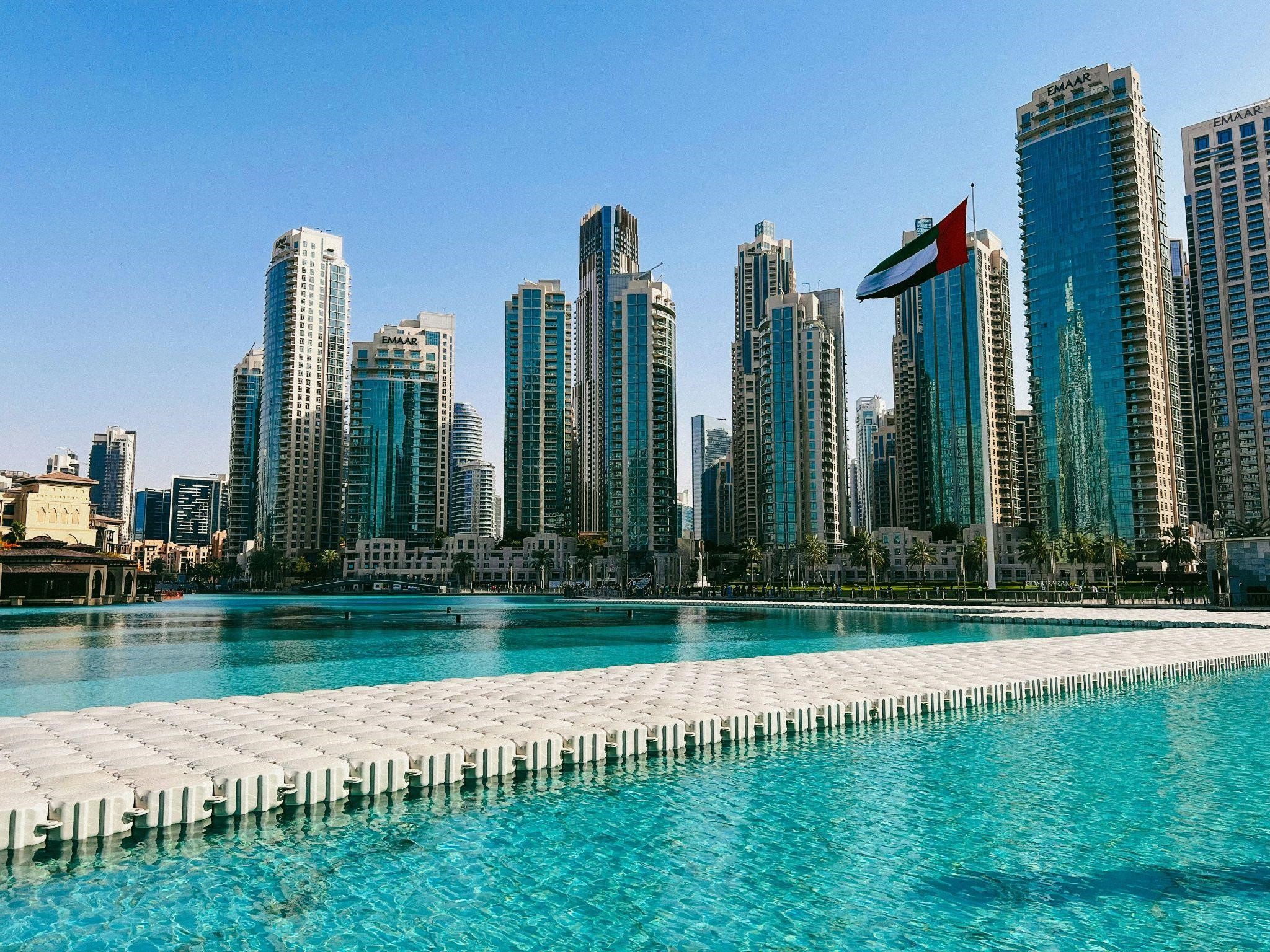
Some parts of the city where many similar apartment buildings are scheduled to be completed by 2026 may see price growth slow, or in a few cases show slight adjustments as the new stock arrives. Business Bay is a good example of this pattern. Several off-plan developments in the area list handovers for 2026, and many are apartments that will add a noticeable number of units to the market.
Some of the Business Bay projects expected to finish in 2026 are Binghatti Skyrise, Burj Binghatti Jacob & Co Residences, One by Binghatti, DG1 Living, and Vento Tower. These range from studios and one-bed apartments to larger units, and they will increase the available stock in a community that already attracts local end-users and investors. Buyers in these clusters may find more choice and room for negotiation, and sellers may adjust expectations accordingly. That doesn’t mean prices will fall sharply, but the pace of growth can ease as the market absorbs new supply.
Arabian Ranches, Meadows, Jumeirah Park, Palm Jumeirah, and Dubai Hills Estate’s villa zones do not have the same pipeline of incoming projects. These areas have limited land, longer construction timelines, and a strong appeal to families seeking space. They react less to handovers happening elsewhere because demand is already strong within the community. When a new villa listing appears in these neighbourhoods, it usually attracts attention quickly because there are not many options to choose from.
Waterfront districts like Dubai Marina, JBR, and Bluewaters still attract steady demand because many buyers prioritise views, walkable access, and a lifestyle that feels close to the water. These preferences support the values in these neighbourhoods, even when new towers are built nearby.
The most useful approach for anyone preparing to buy in 2026 is to zoom in on specific neighbourhoods rather than relying on citywide averages. One community may feel more flexible on pricing while another stays firm, and recognising these differences can make the timing of a purchase much more thoughtful and well-planned.
Several elements contribute to steady market conditions:
Dubai’s supply pipeline for 2025–2027 will play a role in shaping the market, but it doesn’t control the entire outcome. The city is adding residents at a fast pace, jobs are growing, rental demand is firm, and mortgage activity is steady. These factors create a strong base that supports ongoing demand across many neighbourhoods. Looking at everything together, 2026 appears set for steady movement rather than dramatic swings. Communities with large handovers may show gentler pricing, while areas with limited stock should hold firm.
For anyone planning to buy, the most helpful step is to study the supply in the specific neighbourhood they’re targeting. Once you know how many homes are coming into that part of the city, the decision becomes clearer and much easier to approach.
Understanding the market is the first step. Finding the right home comes next.
Our team can help you explore areas that align with your plans and highlight the opportunities shaping up for 2026. Contact us today and let's begin the conversation.
Which areas will see the most handovers by 2026?
Dubai South, JVC, MBR City, and several Dubailand communities have some of the highest planned completions. Business Bay also has a cluster of towers scheduled for 2026, so these locations may feel more impact from supply, depending on how quickly the new homes are absorbed.
Do off-plan handovers usually impact ready property prices?
Off-plan handovers can influence pricing when many similar units enter the market together. The impact is stronger in communities with high apartment density and softer in villa areas where new supply is limited.
Will Dubai rental yields change when new supply arrives?
Rental yields may adjust slightly in areas with high handover volumes. Communities with strong demand from new residents are likely to maintain healthier yields.
Does the 2026 supply affect investors and end-users in the same way?
Not always. Investors compare yields and entry prices, while end-users focus on long-term living plans. Each group reacts differently to the added supply.
Does the 2026 supply pipeline influence luxury segments?
Luxury supply is smaller than that of mid-tier apartments, so its impact is limited. High-end areas like Palm Jumeirah and Emirates Hills usually maintain stable demand.
Are waterfront neighbourhoods in Dubai sensitive to new supply in 2026?
Waterfront areas hold a stronger demand because buyers value views and walkable access. Even with nearby handovers, these districts usually show more stable pricing patterns.
Are older buildings in Dubai affected by the new supply?
Older buildings in areas with many new handovers may need to adjust pricing or offer upgrades to stay competitive. Buildings with strong locations or larger layouts may still attract stable demand.
Are villas scheduled for handover in 2026?
Villa handovers in 2026 are relatively limited compared to apartments. Only select phases in Dubailand, Al Furjan, and MBR City are moving toward completion.