
 Property Management
 Careers








May also interest you....


 Insights Montenegro real estate: market trends, ROI and luxury scope
Many Dubai investors start looking beyond local borders once they gain real market experience. After exploring places like London, Istanbul, and Lisbon, Montenegro has started to come into focus. It is not as heavily marketed as other European destinations, but that is precisely why many people are paying attention. The country offers a high quality of life and long-term real estate potential at relatively low entry prices. Investors see it as a practical option for portfolio diversification, holiday use, and steady returns in a developing European market.
So, let's go through what’s really happening in Montenegro, how the property market is performing, and what you need to understand before taking it seriously as an investment.
Montenegro, located in Southern Europe along the central Mediterranean, has been gaining attention as a travel and lifestyle destination. The name Montenegro means “Black Mountain,” coming from the Italian words monte and negro. The country has around 117 beaches spread across 293 kilometres of coastline, and compared to other Mediterranean destinations, they’re still less crowded.
What makes it special is the contrast between mountains and sea. You can drive from beaches to alpine scenery in just a few hours. The country has dramatic landscapes with deep canyons, rivers, glacial lakes, and old forests, which is why it’s popular for outdoor activities and nature lovers. Durmitor National Park is one of the standout spots and is especially popular during the summer months.
Beyond tourism, Montenegro also offers growing opportunities in hospitality, education, and accommodation, which is one of the reasons more people are starting to look at it not just as a holiday spot but also as a place to invest or spend longer periods of time.
Population: 633,000
Capital City: Podgorica
Official Language: Montenegrin
Major Religions: Eastern Orthodoxy (72%), Islam (19%), Catholicism (3.5%), Christianity (2%), Other (3.5%)
Currency: Euro
Montenegro’s real estate market in 2025 is going through one of its most active periods in a decade. The average price per square metre for new residential buildings has hit a record high. According to the Statistical Office of Montenegro, the average price for a newly built flat (first sale) in Montenegro is €2,228 per square meter (AED 887 / sq ft). Regions differ; for example, on the coast it is around €2,458/m² (AED 978/sq ft), while up north it is about €1,578/m² (AED 628/sq ft). The prices are interestingly affordable compared with many European or Gulf markets, yet high for the region, given rising demand.
This price jump didn’t just happen overnight. Over the last few years, residential property values across Montenegro have been steadily rising. Since 2023, prices have been estimated to have increased by around 15% nationwide, mainly because more local and foreign buyers are entering the market, while supply hasn’t kept up with rising demand.
2025 has seen a dramatic drop in construction permits, apparently the lowest in years. In the second quarter, only 10 building permits were issued. That is a roughly 82% year-on-year drop from the same period in 2024. When supply becomes tighter, prices stay under pressure, especially in high-demand coastal areas where land is already limited.
Rental income is another reason people are still looking at Montenegro. Coastal properties are doing better than most inland areas. Mid-2025 data shows that gross rental yields in these locations sit around 4.4% to 7.1%. Tourism plays a big role in this, especially during the summer months.
Simply put, Montenegro’s property market in 2025 is characterised by rising prices, tighter supply, and strong demand from locals and foreign buyers.
If you consider investing in Montenegro, some areas stand out as “go-to” zones, especially if you want good rental yield, capital growth, or a luxury-property angle.
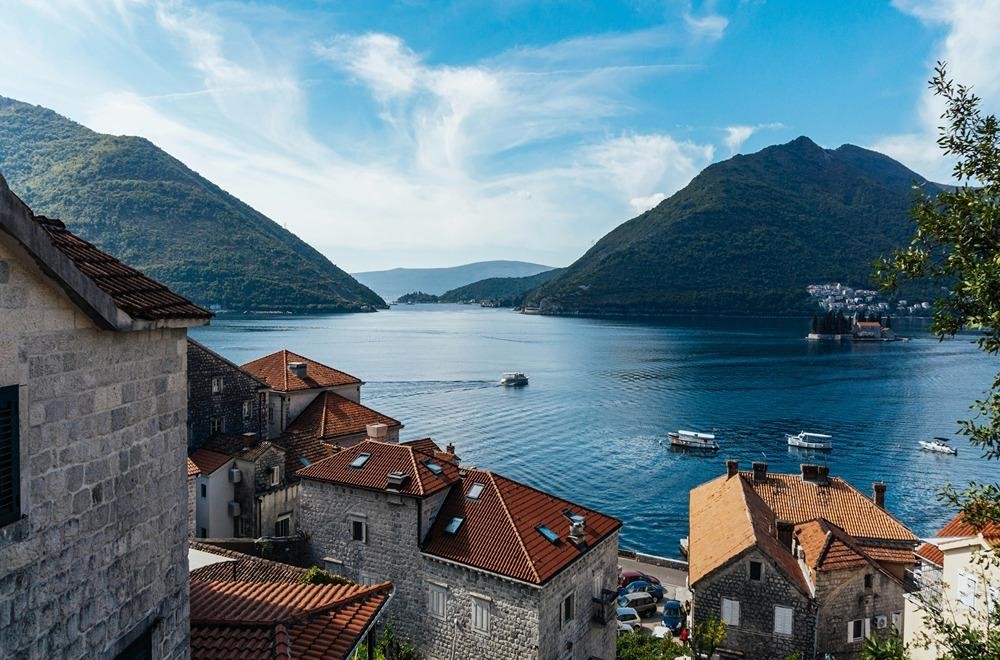
Budva is one of the busiest rental spots in Montenegro, especially for short stays and holiday homes. Its beaches, nightlife, and steady tourist crowd keep demand strong throughout the peak season. Because of that, landlords usually see better occupancy and healthier rental returns there compared to many other areas.
Right now, standard apartments are generally selling between €1,700 and €3,500 per square metre (AED 630–1,290 per sq ft), while luxury apartments are much higher, at €3,500–€6,000 per square metre (AED 1,290–2,210 per sq ft). Villas and standalone homes are even more premium, usually ranging from €3,000 up to €10,000 per square metre (AED 1,100–3,690 per sq ft), depending on location and sea views.
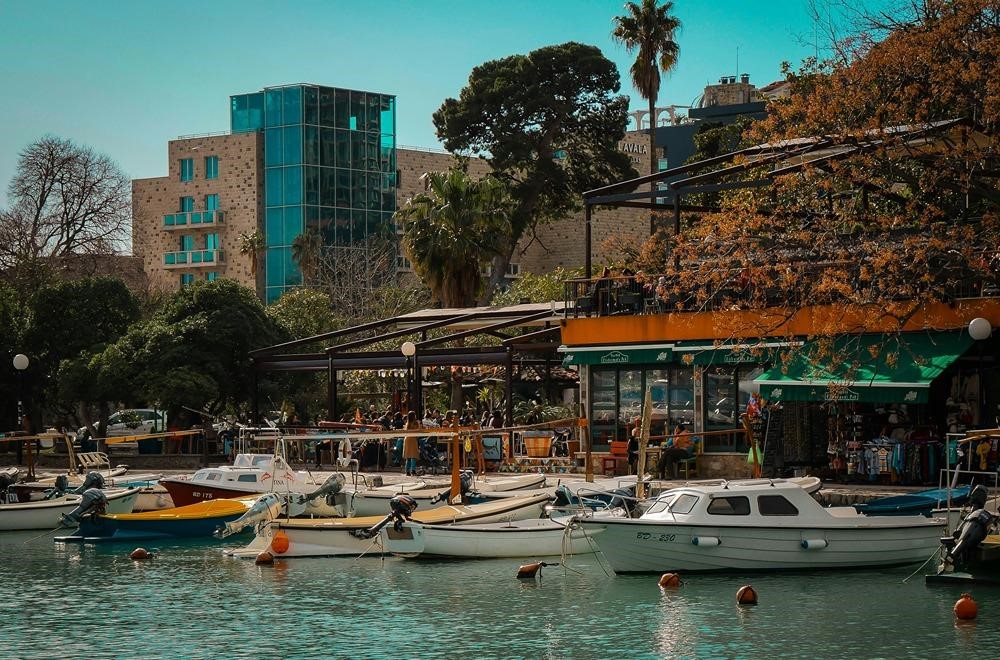
Tivat, Kotor, and the wider Bay of Kotor attract a more premium buyer type. Places around marinas and waterfront developments appeal to wealthier foreigners or those seeking high-end holiday homes. The sea views, yacht access, and overall infrastructure make this area more about long-term value and lifestyle rather than just short-term rental income. It’s one of those regions where people invest not only for returns, but also for what they get to enjoy from it.
Standard apartments in this region usually fall between €2,500 and €4,500 per m² ( AED 920–1,660 per sq ft). Luxury waterfront apartments and branded residences go higher, around €4,500 to €8,000 per m² (AED 1,660–2,950 per sq ft). For villas and waterfront houses, prices can range from €4,000 to over €12,000 per m² (AED 1,470–4,425 per sq ft), depending on location, seafrontage, and privacy.
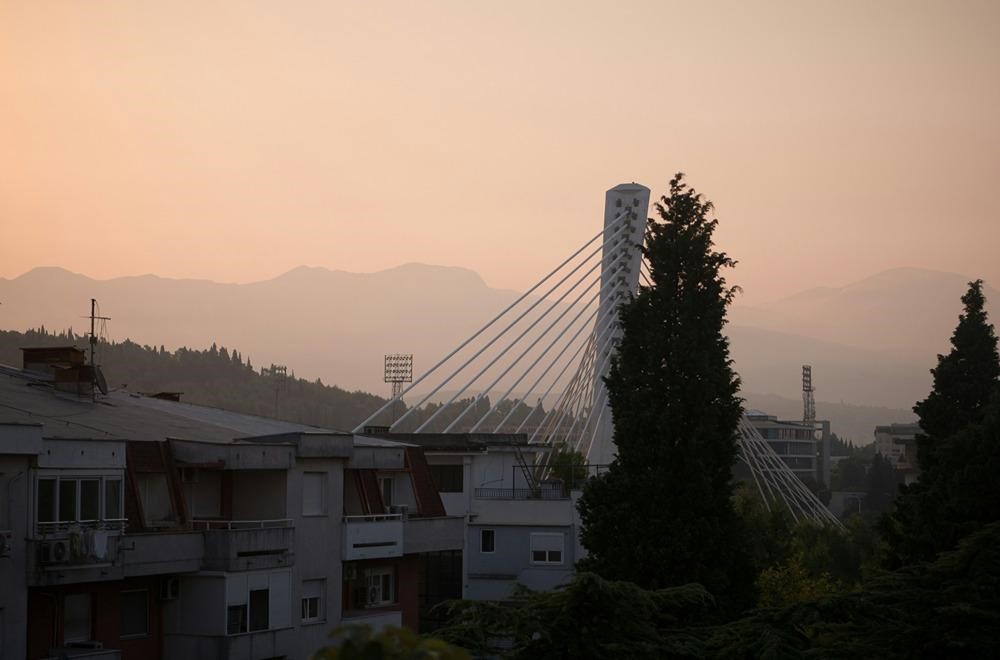
Podgorica, being the capital, doesn’t have the seaside appeal, but it’s still worth paying attention to. It has seen a steady rise in new residential projects over the past few years as more people move towards the city for work and better living options. Property prices here are generally lower than in coastal areas. At the same time, the demand is more stable and less seasonal, which can support long-term value growth.
To give a clearer picture of how the Podgorica market looks, here’s a quick breakdown of property prices and expected returns across different segments.
First, decide on your budget, location, and property type. Whether you’re buying in Budva, Tivat, or Podgorica, shortlisting helps you stay focused and avoid overpaying.
Reach out to a licensed local real estate agent. A good agent can give market insights and help you avoid overpriced or problematic listings. Agent commissions are usually around 3% to 5% of the property price and are paid by the buyer.
Hire a local lawyer to check the property title, ownership history, and legal status. This step is essential for locals and foreigners to avoid future disputes. Legal fees range from €1,000 to €2,000, depending on the complexity of the case.
Once everything checks out, you sign a pre-contract with the seller. A 10% deposit is paid at this stage to secure the property.
The final sale contract is signed in front of a notary. You pay the remaining amount after this, either in person or through a Power of Attorney. Buyers pay a 3% property transfer tax on resale properties (new-builds directly from developers are often VAT-inclusive instead).
The ownership is officially transferred once the property is registered in the Land Registry. After this, the property legally belongs to you. Registration, notary, and admin costs usually add another 1% to 2% of the purchase price.
Montenegro’s real estate market has been changing steadily over the past few years. A few key trends are shaping its direction and how investors should view it.
Tourism is one of the biggest drivers of real estate demand in Montenegro. The Adriatic coast, old towns, and natural scenery attract millions of visitors each year. This steady flow of tourists supports strong demand for short-term rentals, especially in coastal cities. As more visitors come in, developers and local authorities are investing in new housing projects, renovations, high-end buildings, and better infrastructure.
More waterfront apartments, marina-side homes, and high-end villas are being developed to meet demand from wealthier international buyers. Montenegro’s open property laws for foreigners also make it easier for global investors to enter the market. Many buyers see it as a lifestyle investment as much as a financial one.
While the coast gets most of the spotlight, cities like Podgorica are also seeing steady growth. New residential construction is rising as more people move to urban areas for jobs and better facilities. More stable rental demand in these cities suits investors focused on long-term returns rather than seasonal holiday income.
Overall demand for property continues to grow, especially in well-located areas. Interest from foreign buyers is increasing, and local purchasing power is improving as well. Since good properties in prime areas are in short supply, this puts upward pressure on prices and makes high-quality locations more attractive to long-term investors.
Luxury in Montenegro feels different from what you’re used to in Dubai, but that’s part of the appeal. Areas like Tivat, especially around Porto Montenegro, are where most of the high-end action is. You’ll find marinas, waterfront apartments, private villas, and well-planned communities with modern amenities. These places attract foreign buyers seeking second homes, holiday homes, or upscale rental properties. The tourism and steady interest from high-net-worth buyers help this segment maintain its value over the years.
At the same time, luxury here doesn’t mean the same price level as in Dubai or other major global cities. In comparison, Montenegro’s high-end properties are priced more moderately. You get quality design, sea views, marina access, and solid facilities, but at a much lower entry cost. On top of that, you’re not just buying property, you’re buying a lifestyle asset that can serve as a holiday home, a rental income source, and a long-term investment all in one.
Montenegro is not a “hype” market like some big European cities, and that’s actually its strength. It is still in a growth phase, still forming its identity in global real estate, and still more accessible than many coastal countries in Europe. It offers a lifestyle angle alongside long-term investment potential, especially along the Adriatic coast. However, this isn’t a market to rush into without proper planning. The real value comes from choosing the correct location, understanding how the market behaves on the ground, and being transparent about long-term investment goals. When approached carefully, Montenegro can become a solid addition to a wider property portfolio.
Want clear guidance on investing in Montenegro real estate? Contact us today and get location insights, verified listings, and end-to-end support tailored to your goals.
Which areas in Montenegro offer the highest rental yield?
The areas with the greatest rental potential are Budva, Tivat, and Kotor, driven by tourism demand and limited coastal supply. Short-term rental properties near the sea can generate higher seasonal income, with gross yields of 4% to 7%.
Can foreigners buy property in Montenegro?
Yes, foreigners can legally buy property in Montenegro, including apartments and houses. The main restrictions apply to large agricultural land or protected areas, but residential properties are open to international buyers.
Does buying property in Montenegro give citizenship?
No, Montenegro’s official Citizenship by Investment programme has been closed since 2022. Buying property may help with applying for temporary residence, but it does not, in itself, grant Montenegrin citizenship.
What is the luxury real estate market like in Montenegro?
Luxury real estate in Montenegro is mainly concentrated in Tivat, Porto Montenegro, Kotor Bay, and selected parts of Budva. These areas offer waterfront villas, marina-view apartments, and high-end residences that attract international buyers looking for lifestyle and long-term value.
Is Montenegro real estate a good investment for UAE investors?
Yes, Montenegro real estate is becoming an attractive option for UAE and Dubai-based investors looking to diversify internationally. Compared to many European markets, property prices are still relatively accessible while demand continues to grow, especially in coastal cities such as Budva, Tivat, and Kotor.
