Property Management
 Careers







- Home
-
 Insights
 - Can foreigners buy land plots in Dubai?
Can foreigners buy land plots in Dubai?
- Better informed
- 30 Oct, 2025
- 5 min read
Table of Contents
Land in Dubai has always held a special kind of appeal. It's limited, valuable, and closely linked to the city's continued growth. Over the years, many foreigners have bought apartments and villas here, but a growing number are now asking about land. So, can foreigners buy land plots in Dubai? Yes, Dubai's property laws allow non-UAE nationals to do so, but with a few clear conditions. The process is structured, the rules are clear, and once you understand them, buying land here becomes much simpler than it first appears.
Let's explore where foreigners can buy, the available ownership types, and how the process unfolds from start to finish.
What Can You Use a Land Plot for?
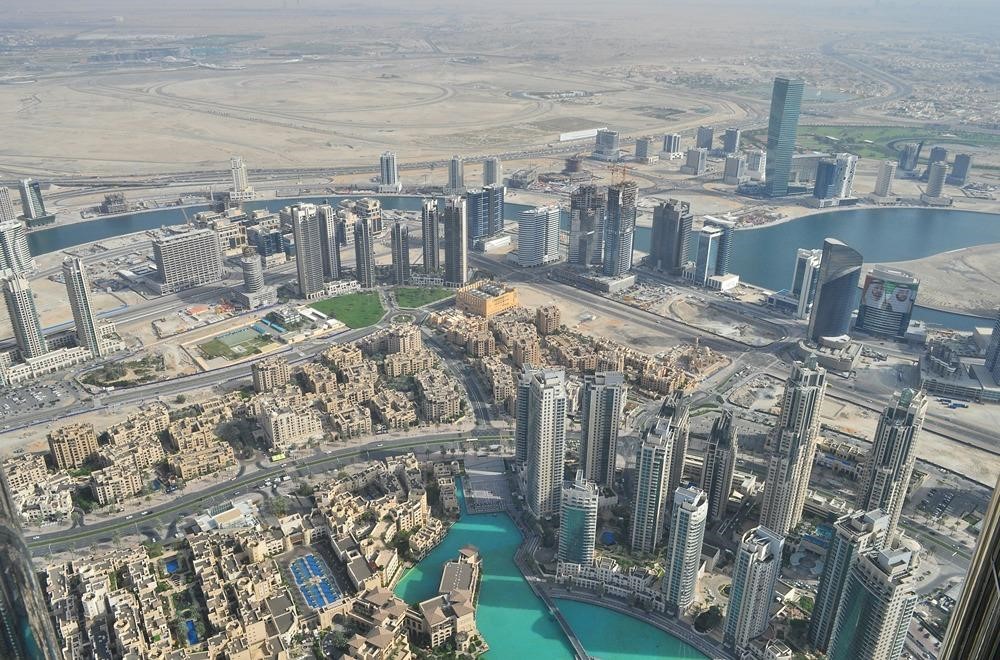
What you do with the plot depends on your goals, your budget, and a little bit on how patient you're willing to be. Below are some of the main options so you can decide what best fits you.
Build Your Own Home
If the plot allows, you can build a villa or custom home. When you own the land, you're not stuck with someone else's layout or design choices. You get to decide how the rooms flow, where the sunlight comes in, and what kind of garden or pool you want.
Every plot in Dubai is subject to specific building regulations. There might be height limits, architectural guidelines, or design themes to follow if it's in a gated community. Some areas require construction to start within a specific timeframe to prevent the land from sitting empty for years.
It sounds like a lot, but for many people, the result is worth it. You move into a home that's built around your family's lifestyle, not someone else's idea of what it should be. That's the kind of satisfaction few ready properties can offer.
Hold It as Investment Land (Pure Land-Holding)
Not everyone wants to jump straight into construction. Some buyers prefer to buy a plot, hold onto it, and let time do the work. As Dubai expands, new roads, schools, and metro lines push up the value of nearby land. So, a plot that looks quiet today could be sitting next to a new business district in a few years.
This approach doesn't require you to manage tenants, handle repairs, or deal with short-term leases. You own the asset and watch the market. When development around it picks up, you can sell for a profit or start building then.
Develop for Rental Income or Commercial Use
Some buyers see land as a business opportunity rather than just a personal asset. Instead of building one home, they develop townhouses, apartments, or even a mix of residential and commercial spaces. Others buy plots in commercial zones and construct office buildings, warehouses, or retail outlets to rent.
If you go this route, due diligence matters more than ever because the plot's zoning determines what can be built (residential, commercial, mixed-use, or industrial). The community or master developer might also have guidelines about height, parking, or façade design. On top of that, you'll need approvals from Dubai Municipality or the relevant authorities before you can start construction.
Freehold vs. Leasehold Plot Ownership
Foreigners can buy land plots in Dubai, but not just anywhere they like. Some areas allow full ownership (freehold); others only for certain rights (leasehold, usufruct). Let's understand.
Freehold Ownership
When you buy a freehold property in Dubai, the land and the building on it are entirely yours. Your name goes on the title deed issued by the Dubai Land Department (DLD), just like a local owner. You can sell it, rent it, or pass it on to your family, and the ownership doesn't expire.
But you can only buy freehold property in certain parts of Dubai, such as:
Palm Jumeirah
Downtown Dubai
Dubai Marina
Business Bay
Jumeirah Lakes Towers (JLT)
Jumeirah Village Circle (JVC)
Dubai Investment Park (DIP)
Dubai South
Al Barari
Arabian Ranches
Bluewaters Island
In 2025, there have been a few new additions, too. Certain sections along Sheikh Zayed Road, particularly between the Trade Centre roundabout and Dubai Canal, were officially opened up for freehold ownership. Al Jaddaf, which used to be leasehold, also switched to freehold. These changes are part of Dubai's ongoing effort to attract more international investors who want long-term stability. At this point, roughly 70% of Dubai's developed land falls under areas where foreigners can legally buy property on a freehold basis.
Leasehold Ownership
Leasehold ownership is a little different. Instead of owning the land, you lease it for a long term, usually up to 99 years. You can live there, rent it out, or even sell the lease to someone else during that term. But when the lease expires, ownership reverts to the original landowner.
The government wanted to maintain some control over land use and preserve specific neighbourhoods for local ownership. Hence, the leasehold system provides a middle ground that allows foreign participation without giving up full land ownership rights everywhere.
Detailed Cost Breakdown
Foreign buyers should budget for the following costs:
How to Buy a Land Plot as a Foreigner — Step by Step
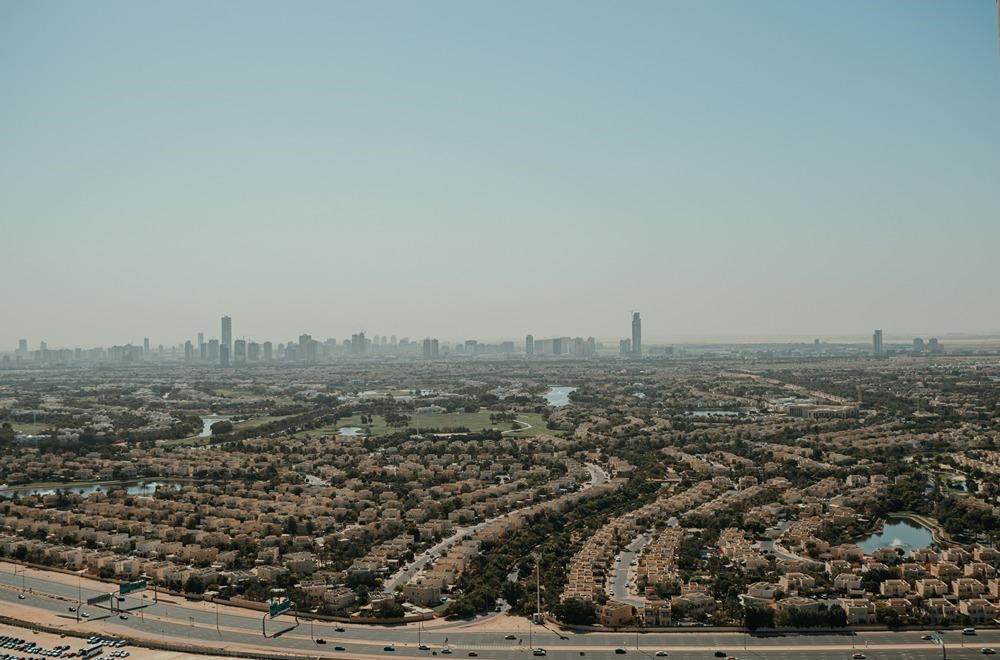
Buying a plot in Dubai can seem like a maze when you first hear about it because there's a lot of paperwork, fees, and legal terms you've never heard of before. But once you break it down, it's really just a precise sequence of steps.
Choose your Area
Each area in Dubai has its own vibe. If you want luxury beachfront living, think of Palm Jumeirah, Dubai Creek Harbour or Jumeirah Bay Island. If you prefer something central and urban, Business Bay, Dubai Marina or Downtown Dubai are ideal. If you're looking for family-friendly and quieter surroundings, Jumeirah Village Circle (JVC) or Dubai Hills Estate might suit you better.
Don't rush this step because the right location can make all the difference between a solid investment and a complicated one.
Due Diligence
Verify the owner (or developer) actually owns the plot and ensure there are no legal issues. You can verify ownership records directly with the Dubai Land Department (DLD) or through their online services. If you're buying directly from a developer, look for a DLD-registered project and make sure the developer's license is valid. For resale plots, ensure all service charges or community fees are paid in full.
Some buyers also hire a property lawyer at this stage to review documents. It's optional but helpful, especially if this is your first purchase in Dubai.
Agree Terms & Sign Sale Agreement
Once everything looks good, it's time to formalise the deal. The buyer and seller sign a Memorandum of Understanding (MoU) or a Sale and Purchase Agreement (SPA), which outlines the agreed price, payment terms, transfer date, and any special conditions. At this stage, you'll also pay a 10% deposit of the sale price, which will be held until the transaction is complete.
It's also smart to include clear timelines in the agreement, such as when the NOC will be issued, when payments are due, and when the transfer will take place. It keeps everyone on the same page and avoids surprises later.
NOC & Documentation
Before the transfer happens, you'll need a No Objection Certificate (NOC) from the developer, especially if the plot is within a master-planned community. This certificate confirms that the seller has cleared all dues and that the developer has no objection to the sale. Getting the NOC usually takes a few days and may involve a small administrative fee of AED 1,000-5,000. The buyer and seller (or their representatives) attend this step together.
Meanwhile, make sure your own paperwork is ready. You'll need:
- A valid passport (and Emirates ID if you live in the UAE)
- Proof of funds or a bank statement, if requested
- The signed MoU or SPA
- Any required authorisation if someone else is completing the transfer on your behalf
Pay Fees & Register
Once the NOC is ready and everything's approved, it's time to make the transfer official. At this point, you'll pay the Dubai Land Department transfer fee, which is 4% of the property's value, plus a minor administrative fee. If an agent is involved, their commission will be around 2% of the total plot price.
Then, you and the seller meet at the DLD office or an authorised trustee office to complete the registration. Payment is made via a manager's cheque in the seller's name. Once the transaction is processed, you receive the title deed and your name is now officially recorded as the owner of the land.
Finalise & Build/Own
Once ownership is official, if you plan to build, you'll need to submit your building plans and obtain permits from Dubai Municipality or the relevant master developer. Some communities have architectural guidelines, so make sure your design complies with them.
If you plan to hold the land and wait for appreciation, you're done for now. Just keep an eye on any service fees, if applicable, and stay updated on nearby infrastructure developments. Those often drive land value upward.
Why Many Foreigners Are Choosing Land Plots
There are solid reasons why foreigners are finding buying land attractive right now.
- Foreign ownership laws are precise and reliable. In designated freehold zones, foreigners can own land outright, providing long-term security rather than limited leases.
- Dubai's rental yields average 6–9% in key areas, higher than in many global cities.
- No annual property, income, or capital gains tax makes Dubai's real estate simpler and more profitable for investors.
- Investing AED 750,000 qualifies for a 2-year investor visa, while investing AED 2,000,000 qualifies for a 10-year Golden Visa for the buyer and family.
- Expanding infrastructure around Dubai South, Expo City, and other zones boosts land values and growth potential.
- A stable economy, a dollar-pegged currency, and transparent processes at the Dubai Land Department make ownership safe and predictable.
Conclusion
In 2025, foreigners can confidently buy land plots in Dubai as long as the property is located within a designated freehold area and all legal requirements are met. You can build your dream home, hold the land for appreciation, rent it out, or even develop it for income. Dubai's market rewards those who think long-term, not just those chasing a quick resale. When you treat the purchase as an investment in your future rather than just another transaction, you position yourself for absolute stability and potential growth. With proper guidance and due diligence, buying land in Dubai can be one of the smartest and most fulfilling decisions you make.
If you're thinking about buying land in Dubai, the best move is to get proper guidance early. Our team understands the process, the laws, and where real value is growing.
Contact us today to explore exclusive land opportunities.
Frequently Asked Questions
Do I need to live in the UAE to buy land in Dubai?
No, residency is not required. Foreign buyers can purchase land in Dubai with just a valid passport, provided the plot is in a freehold zone and all legal conditions are met.
What can I do with a land plot in Dubai?
You can use your land plot to build a villa, townhouse, or commercial property (depending on zoning). Many investors also hold land for long-term appreciation or develop it for rental income. The use depends on the location and zoning regulations.
Can foreigners get a mortgage to buy land in Dubai?
Yes, but with limits. Banks in Dubai finance part of the land cost, but not additional expenses such as registration or agent fees. Approval depends on your income, nationality, and the type of property.
Is it better to buy a ready villa or a land plot in Dubai?
Buying land offers more flexibility and customisation. You can design your own home or develop income-generating units. However, it also requires patience, planning, and upfront costs compared to ready properties that can start generating income immediately.
Does buying land in Dubai qualify for a visa?
Yes, property investors who invest AED 750,000 or more can apply for a 2-year investor visa, while investments of AED 2 million or more can qualify for a 10-year Golden Visa.