Property Management
 Careers








- Home
-
 Insights
 - Understanding real estate escrow & investor protections in Abu Dhabi
Understanding real estate escrow & investor protections in Abu Dhabi
- Better Informed
- 16 Nov, 2025
- 5 min read
Table of Contents
A lot of people hear terms like escrow, project oversight, or investor protection and instantly feel like they're stepping into something complicated. It's a normal reaction, especially when you're investing in an off-plan project and want to be sure everything is handled correctly. The truth is, Abu Dhabi has built an escrow system that runs in the background, and once you understand how it works, the whole process starts to feel far more straightforward.
If you're trying to get a clearer picture of how escrow works or want to know what protections are in place, this blog will help you understand it without making it feel complicated.
What is an Escrow Account?
An escrow account is a safe place where your money stays until the project reaches verified progress. You're not handing your payments straight to the developer. Your money goes into a separate account that a bank and the government monitor. The developer only gets access when they reach specific construction milestones, and those milestones have to be confirmed by an independent engineer. It's a simple setup that keeps your payments tied to actual progress,
How Abu Dhabi's Escrow System Works
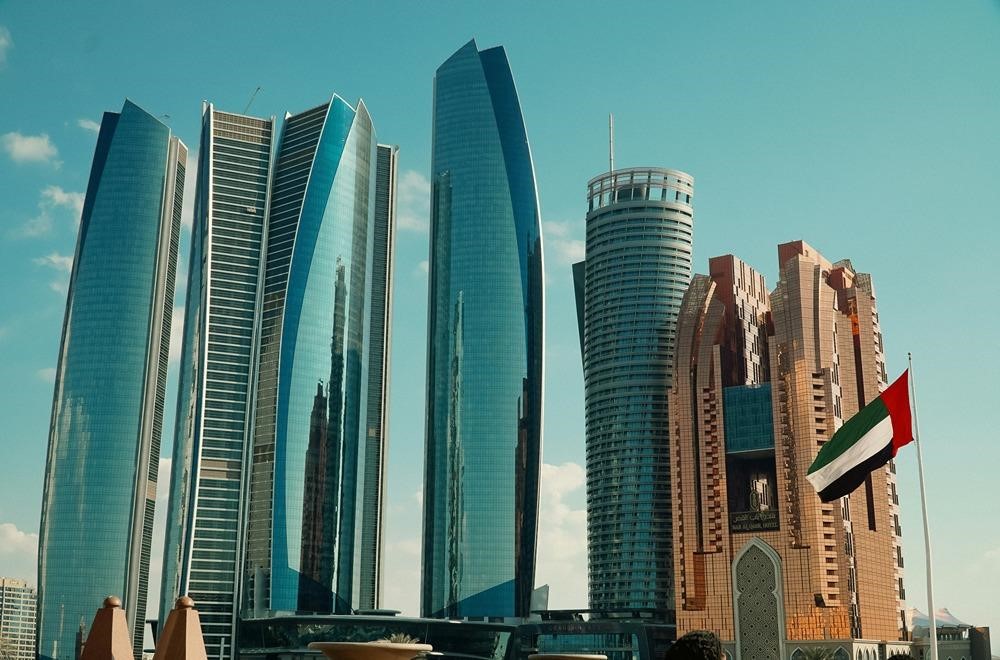
Abu Dhabi's property market is supervised by the Department of Municipalities and Transport (DMT). Under DMT sits the Abu Dhabi Real Estate Centre (ADREC), which handles everything from project registration to escrow approvals.
Developers can't launch an off-plan project casually. They need to follow steps that keep things transparent. One of those steps is opening an escrow account with a bank approved by DMT.
Here's the simple version of how it plays out:
- The developer registers the off-plan project with DMT.
- An escrow account gets opened under that specific project.
- Buyers pay their instalments directly into that account.
- Bank reviews construction progress through independent engineers.
- The developer receives funds only when milestones are confirmed.
- Leftover money at completion must be returned to the developer only after all handovers are done.
One small detail many buyers miss is that a project's escrow funds can't be moved to another project. The money stays locked to that project only.
Importance of Escrow Accounts for Investors
Anyone familiar with the 2008 global crisis remembers stories of stalled projects, delayed handovers, and investors left waiting for years. The UAE learned from that phase. A monitored escrow system reduces the risk of developers overpromising or building faster than they can fund.
Abu Dhabi followed a steady path and built a set of rules that help keep the market in good shape. Nothing is rushed, and nothing is left open to guesswork. The Abu Dhabi government ensures the home you're paying for actually exists, is registered properly, and is progressing on the ground rather than through announcements or promises.
Let's understand with an example:
An investor buys an off-plan apartment and pays a 10% booking amount. The next payment might be linked to the project reaching 20% construction. That instalment doesn't go through just because the developer says they hit that number. It only moves when an independent engineer visits the site, inspects the work, and confirms that the project has truly reached that stage. So the money flows on facts, not claims.
When you look at it that way, the whole system starts to feel more practical. Buyers get a clearer view of where their money is going, rather than wondering what's happening behind the scenes. Developers stay on schedule because access to funds depends on real progress. The market feels easier to understand, and buyers can make decisions with a bit more confidence and a lot less guesswork.
Abu Dhabi vs Dubai
Anyone familiar with Dubai's Real Estate Regulatory Agency (RERA) might wonder if Abu Dhabi works the same way. The core concept is similar, but both cities follow their own playbook.
A few simple distinctions:
- Dubai's escrow law came into effect earlier and has attracted a lot of media attention, mainly because the city sees more off-plan launches each year.
- Abu Dhabi's system focuses heavily on project registration and financial planning before a launch can even go public.
Investors sometimes say that Abu Dhabi feels "stricter" when it comes to approvals. The reason is that DMT wants every project to be fully backed by land ownership, project funding, and milestone planning before a single dirham is collected from buyers.
Dubai and Abu Dhabi aren't competing in this area. Both are trying to keep the UAE property market stable. They just do it in slightly different ways.
How to Verify Escrow Information
Many buyers forget that they're free to ask questions at any point. Escrow details aren't hidden, and you're meant to check them whenever you need clarity.
Buyers can:
- Ask for the project's escrow account number
- Confirm which bank is managing the account
- Review notices linked to construction milestones
- Reach out to DMT to verify any details
A lot of people skip this step because they assume it isn't allowed, but it absolutely is. The more you understand how your payments are being handled, the more confident you feel about the investment.
Legal Protection for Buyers in Off-Plan Projects

Escrow is only one part of the protection system. Abu Dhabi has additional layers built around it, all designed to keep investors informed and safe.
Let's walk through the main ones.
Project Registration and Developer Licensing
A project can't be sold until:
- The land is fully owned or legally secured by the developer.
- DMT approves the project.
- The developer is licensed for off-plan sales.
Approvals don't just roll in on their own, and there's nothing automatic about it. Developers have to prove they're financially ready, have the proper backing, and can support the entire project before anything is allowed to go public. It's a quiet filter that keeps weak projects from ever reaching buyers.
Mandatory Sale & Purchase Agreements (SPA)
Buyers receive a government-approved SPA, which outlines:
- Payment plans
- Construction timelines
- Penalties
- Handover commitments
If a dispute arises later, the SPA serves as the reference point for everyone.
Construction Progress Monitoring
Independent engineering consultants monitor progress. They visit sites, assess the work, and report back to the bank managing the escrow account. Developers can't simply declare a milestone complete.
Harsh Penalties for Delays or Abandonment
A project that starts to fall behind doesn't get pushed aside. DMT steps in when progress slows and acts to steady the situation. They can pause sales, bring in a new developer, or hand the project to another team. Buyers aren't left wondering what's going on because the government steps in when issues arise.
Delays still happen at times. Weather, material shortages, or labour gaps can slow down construction. Here's what happens when a project faces a serious delay:
- The developer can't pull more money from the escrow account.
- Buyers stop paying instalments that are tied to future milestones.
- The government can step in and review the project if needed.
- Money already paid stays in escrow and isn't used elsewhere.
Many people who experienced stalled projects in earlier years saw how the escrow setup protected most of their funds. Their money wasn't lost because it wasn't released until real progress was confirmed. That's the whole purpose of the system.
Conclusion
Real estate can feel complicated at first, especially when you're dealing with off-plan units and large payments. Abu Dhabi's escrow system exists to simplify that journey. It helps buyers trust the process, know where their money is, and follow the real progress of a project rather than rely on assumptions. One must understand that the checks and balances are there to ensure everyone feels protected, not to slow things down. Abu Dhabi has put a structure in place that does exactly that, and once you understand how it works, the whole buying process feels a lot simpler.
Our team can help you explore Abu Dhabi and Dubai projects that follow strong escrow rules, so you can move forward knowing your investment is protected. Contact us today.
Frequently Asked Questions
Are developers allowed to use escrow funds for other projects?
No. Escrow money is tied to one specific project and cannot be moved, mixed, or used anywhere else. It prevents misuse of buyer funds.
What happens to my payments if the project is delayed?
If a project faces serious delays, the developer cannot access more funds from the escrow account. Buyers also stop paying instalments linked to future milestones, and the government can step in to review the situation.
How can I check if a project in Abu Dhabi has an escrow account?
Buyers can ask for the project's escrow account details, confirm the bank managing it, review milestone updates, or contact DMT for verification. These checks are allowed and encouraged.
Is escrow mandatory for all off-plan projects in Abu Dhabi?
Yes, every off-plan project must have an approved escrow account before sales begin. This rule ensures that buyer payments are handled safely and transparently.
Can escrow accounts delay the handover of a project?
No. Escrow accounts don't slow down construction. They actually keep developers on schedule because money is released only when real progress is verified.
Do resale properties in Abu Dhabi have escrow protection?
Resale properties don't use escrow accounts, but they undergo strict ownership checks, valuations, and transfer approvals to ensure the process is secure.