Property Management
 Careers










- Home
-
 Insights
 - What is a tenancy contract renewal notice — and why it matters
What is a tenancy contract renewal notice — and why it matters
- Better Informed
- 12 Nov, 2025
- 6 min read

Table of Contents
- What is a Tenancy Contract Renewal Notice?
- How Tenancy Contract Renewal Works in Dubai
- Why it Matters to Tenants
- Why it Matters to Landlords
- Key Steps in the Renewal Process
- Common Pitfalls & How to Avoid Them
- When Might a Landlord Refuse Renewal?
- Practical Tips for Tenants
- Practical Tips for Landlords
- Conclusion
A rental contract in Dubai moves on a yearly cycle, and as the term draws closer to its end, both tenants and landlords start paying more attention to the next steps. That shift in focus is natural because the way renewal is handled can shape the entire experience for the year ahead. The tenancy contract renewal notice plays a central role in this stage. It sets expectations, keeps communication clear and gives both sides enough time to plan. When it's understood and used correctly, the renewal process feels far more organised and far less stressful.
Let's unpack what it is, how it works in Dubai's property market, and why paying attention to it matters.
What is a Tenancy Contract Renewal Notice?
A tenancy contract renewal notice is a "heads-up" sent by the landlord (or sometimes the tenant) when the current lease period is nearing its end and one or more terms are going to change. The notice tells you whether the lease is going to continue under the same terms, whether rent will go up (or down), or whether the landlord wants to end the lease for one of the legal reasons.
In simple terms, you have a lease that is about to expire. The landlord sends a renewal notice if anything is changing. If no notice and no change, the lease carries over under the same conditions.
How Tenancy Contract Renewal Works in Dubai
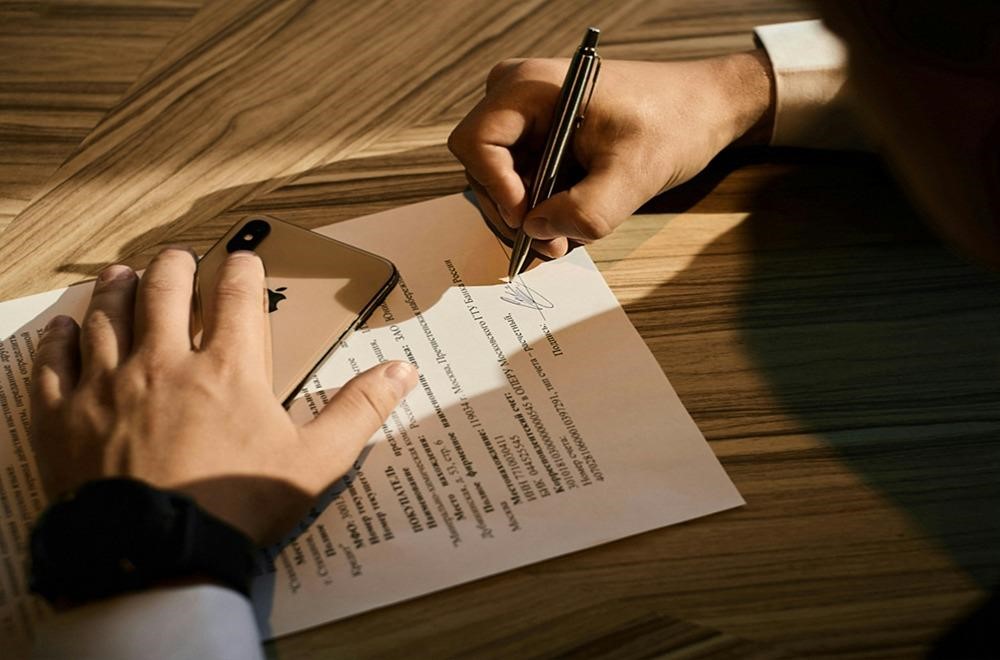
Understanding how tenancy contract renewal works in Dubai becomes much easier once you know the basic rules. The entire process is governed by Law No. 26 of 2007 and its amendment, Law No. 33 of 2008, which regulates the management of rental relationships in Dubai. These laws make things more predictable for tenants and landlords, especially as the renewal date approaches.
The 90-Day Rule
If a landlord wants to change any term of the current agreement (rent, payment schedule, or any key terms), they must give the tenant written notice at least 90 days before the contract expires. It's part of the law, and it prevents sudden surprises. When no notice is sent within that window, the contract is generally expected to roll over with the same conditions as the previous year. Many tenants rely on this because it provides stability, and landlords avoid unnecessary disputes by adhering to the rule.
Ejari Renewal
Another essential part of renewal is making sure the contract is updated and registered in the Ejari system, which RERA manages. Even if you're renewing under the same terms, the revised contract still needs to be registered to keep the tenancy valid. Without Ejari, everything from utility connections to certain government services becomes a hassle, so renewing it is something both sides should take seriously.
Rent Increase Rules
Rent increases are another common question, and the law has clear guidelines for that as well. Landlords can't just raise the rent because the market feels stronger that year. Any increase must follow the RERA Rental Index and the rules set by Decree No. 43 of 2013, which define how much rent can increase based on the current rent's comparison to market benchmarks. If the property is already priced close to the area average, the law might allow no increase at all. Again, the landlord must follow the 90-day notice rule if they want to apply any increase.
All these steps fit together to create a system that protects both sides. Once you understand the structure, the renewal process in Dubai becomes much more straightforward.
Why it Matters to Tenants
Here are several reasons why the renewal notice (or lack of it) is worth paying attention to:
Clarity About Your Future Home
You'll know if you can stay put and under what conditions. If your landlord plans major changes, you want to know early. For example, you may have to move if the landlord is selling or doing a major renovation (and they must notify you).
Budgeting and Financial Planning
If rent is going up, you'll want time to decide whether to accept it or move elsewhere. Since the notice needs to be 90 days in advance, you have a window to think, compare other homes, or negotiate.
Protection of Rights
If the landlord fails to give the required notice and tries to change terms after expiry, you have a stronger position.
Legal Validity of the Tenancy
Renewing properly ensures Ejari is up to date. If you skip renewal or miss registration, you risk being in a contract not properly registered, which can complicate everything from utility connections to visa sponsorship.
Why it Matters to Landlords
While tenants gain protection, landlords also benefit strongly from following this process:
Clarity of Intent
Sending a renewal notice helps everyone stay on the same page. It gives the tenant a clear idea of what next year will look like and allows the landlord to avoid any back-and-forth later. Everything feels easier when the details are shared early.
Legal Comfort
If the landlord wants to raise the rent, take the home back for personal use, or start major work, the notice is what keeps everything within the rules. Skipping it can lead to issues later, and the landlord may end up losing rights they would have kept with proper notice.
Prevention of Disputes
Handling the renewal correctly goes a long way toward preventing problems later. Most disputes come from unclear terms or notice that wasn't given on time, so keeping things clear from the start saves both sides a lot of trouble.
Key Steps in the Renewal Process
The end of a lease can feel a bit uncertain, but a few simple steps bring order to the process. Everything tends to run smoothly when both sides follow the basics at the right time. Here's a practical way to handle a lease that is nearing its end:
- Check when the current tenancy ends and set a reminder.
- Around 90 days before expiry, start a conversation about renewal and any possible changes.
- If there are changes, the landlord sends a renewal notice with the new rent and terms.
- If there are no changes, both sides confirm renewal under the same conditions.
- Sign the renewal contract or an addendum with the updated details.
- Register the renewed contract with Ejari and submit the required documents.
Common Pitfalls & How to Avoid Them

Common pitfalls can slip into the renewal process when no one is paying close attention. Many tenants and landlords run into the same problems year after year, and most of them are easy to avoid once they're spotted.
Vague notice: A vague renewal notice is one of the most common issues. A message stating that rent will be adjusted to "market rate" without providing an actual number creates confusion and leaves room for conflict. Even tenants discussing similar situations on community forums often highlight that rent adjustments must follow the RERA Rental Index. The safest approach is to ask for a precise figure and written confirmation.
Missing notice timeframe: Another common problem is failing to meet the 90-day notice period. When a landlord sends notice too late, the tenant is usually entitled to continue under the same terms as before. The timeline matters, and missing it can affect what either side is allowed to change.
Skipping Ejari registration: Ejari registration is another area where people slip. When a renewed contract isn't registered, both parties lose the protection provided by a valid Ejari. It can also cause issues with basic services that require an active lease record.
Assuming renewal means the same conditions: Some tenants assume that staying in the same home automatically means every contract term stays the same. But changes can appear in areas such as maintenance responsibilities or payment schedules, so carefully reviewing the updated contract is essential.
Ignoring the market & your budget: Many people renew their lease without checking what similar homes are renting for. A quick look at current rents offers a clearer picture of whether a proposed increase is reasonable. If the existing rent is already higher than similar homes nearby, there may be room for negotiation.
When Might a Landlord Refuse Renewal?
In Dubai, renewal is usually expected, but the law allows landlords to refuse or not renew in some instances, such as:
- The landlord or a first-degree relative wants to use the property personally.
- The property is to be demolished, renovated or converted.
- The landlord is selling the property (or has sold it). In such cases, proper notice is required.
So if you receive notice that the landlord wants to let it go for non-renewal, check whether it falls under one of the valid grounds.
Practical Tips for Tenants
A bit of early preparation helps a tenant move through the renewal process with far less stress.
- Start preparing around 90 days before expiry and review your budget, plans and nearby rental prices.
- Compare your current rent with similar properties to understand your room for discussion.
- Ask about any changes to terms such as parking, pets, amenities or maintenance.
- Consider your comfort and decide whether the home still meets your daily needs.
- Make sure the renewed contract or addendum is signed and properly registered with Ejari.
- Keep copies of the contract, renewal notice and Ejari certificate in one place.
- Give notice on time if you plan to move, and start your search early.
Practical Tips for Landlords
A little preparation on the landlord's side, too, sets the tone for a clear and steady renewal process.
- Decide by 90 days before expiry whether the tenant will continue and whether any terms will change.
- Check the RERA Rental Index before considering a rent increase to confirm what is legally allowed.
- Prepare a clear renewal notice that states the rent, contract term and any updated conditions, and send it within the required timeframe.
- Sign the renewal contract or addendum once the tenant agrees and completes the Ejari registration.
- Keep all documents and confirmations safely recorded.
- Give written notice within the required timeframe if the property will not be renewed, and ensure the reason complies with the law.
Conclusion
A smooth rental experience in Dubai usually comes down to how the renewal stage is handled. The tenancy contract renewal notice may seem like a formality, yet it shapes almost everything that follows. Clear timelines, proper communication, and an updated Ejari give both sides a sense of direction, which takes a lot of pressure off the process. When the rules are followed and expectations are shared early, tenants feel settled and landlords stay protected. It's a simple rhythm that works well when everyone stays informed and acts on time.
If you need help understanding your renewal or exploring better options, our team is here to guide you. Contact us anytime and get clear advice shaped around your needs.
Frequently Asked Questions
How early should a landlord send a renewal notice in Dubai?
Dubai's rental laws require landlords to send any notice of changes, including rent adjustments, at least 90 days before the contract expiry. If notice is not sent on time, the existing terms usually stay in place.
Is a rent increase allowed during renewal?
A rent increase is only allowed if it follows the RERA Rental Index and complies with Decree No. 43 of 2013. The increase must be reasonable and supported by current market benchmarks.
Do tenants need to register the renewed contract with Ejari?
Yes. Every renewed tenancy in Dubai must be registered with Ejari, which keeps the contract legally valid and ensures easy access to essential services such as DEWA and internet connections.
Can a landlord refuse to renew a tenancy in Dubai?
A landlord can only refuse renewal for reasons allowed by law, such as personal use, major renovations or selling the property. A written notice must be given within the proper timeline.
Who settles disputes related to renewal in Dubai?
Any dispute about rent increases, notice periods or renewal terms can be taken to the Rental Dispute Settlement Centre (RDSC) in Dubai. They review cases based on RERA laws and rental regulations.