Property Management
 Careers










- Home
-
 Insights
 - Understanding chiller-free vs chiller-inclusive apartments in Dubai
Understanding chiller-free vs chiller-inclusive apartments in Dubai
- Better Living
- 31 Oct, 2025
- 6 min read

Table of Contents
If you’ve ever searched for an apartment in Dubai, you’ve probably noticed listings that say “Chiller Free” or “Chiller Inclusive.” At first, it sounds like another real estate buzzword that agents use. But in a city where summer temperatures can climb above 45°C, the difference between the two can make a big impact on your monthly bills.
Let’s walk through what “chiller” really covers, how it impacts your rent and utility bills, and how you can decide which setup fits your lifestyle better. By the end, you’ll know exactly what to look for the next time you scroll through Dubai rental listings.
What Is a Chiller?
In Dubai, air conditioning isn’t a luxury; it’s a necessity. Most buildings use district cooling systems rather than individual AC units. These systems are operated by companies like Empower, Emicool, or Tabreed, which supply chilled water to buildings to cool the air.
The water is chilled at a central plant and then piped to each apartment through a network of insulated pipes. That’s what people refer to as the chiller.
So when you see “chiller-free” or “chiller-inclusive,” it’s basically about who pays for that cooling cost: you or the landlord.
Chiller-Inclusive Apartments
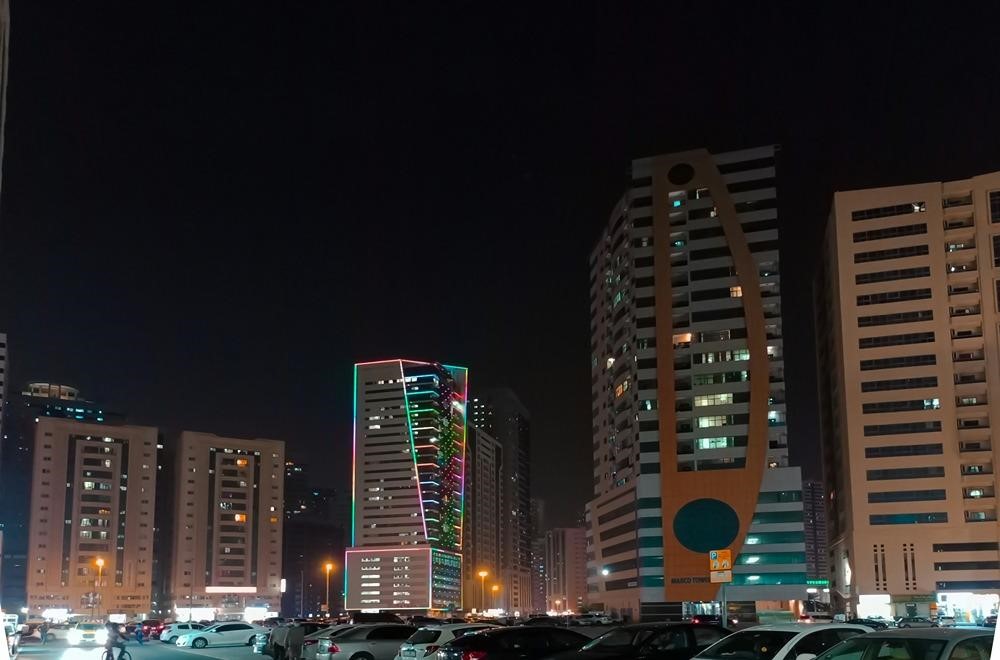
A chiller-inclusive apartment means the landlord pays the cooling charges, not you. The cost of air conditioning is already included in your rent. In most cases, you’ll only pay your regular DEWA (Dubai Electricity and Water Authority) bill, which covers water and electricity but not cooling.
This setup is common in older or mid-range buildings across areas like Bur Dubai, Karama, and Deira, and even in some modern communities where landlords bundle everything for simplicity.
The biggest advantage is that you won’t be hit with surprise cooling bills at the end of the month. Everything is already included in your rent, so you know exactly what you’ll be paying. That kind of predictability can be a real lifesaver, especially if you’ve just moved to Dubai and are still figuring out your monthly expenses.
Chiller-Free Apartments
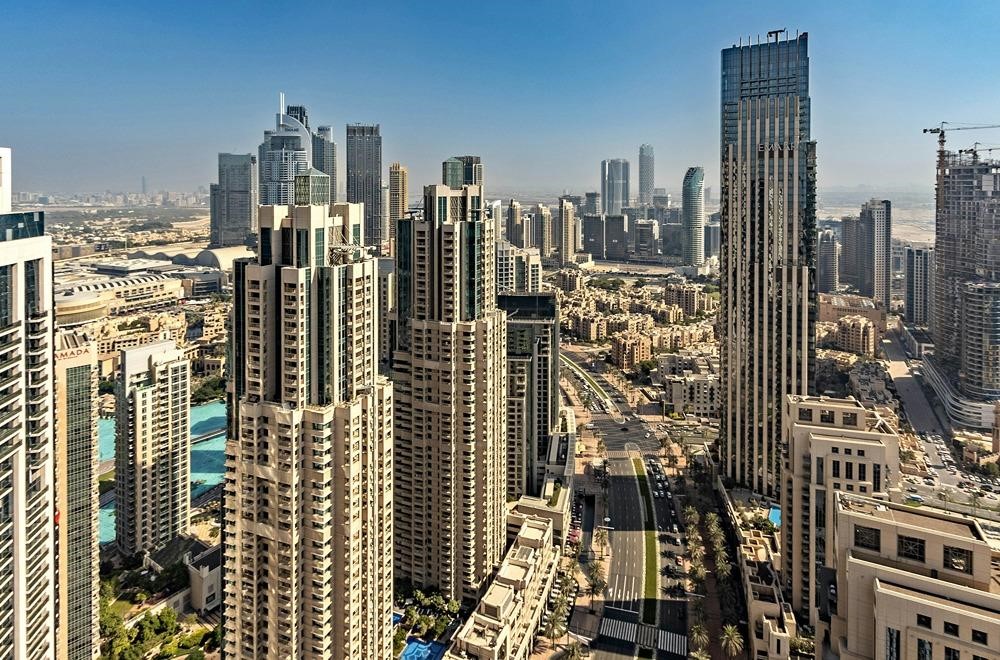
Now, a chiller-free apartment flips that around. You pay the cooling charges separately to a district cooling company. Let’s say your building is connected to Empower (which supplies cooling to areas like Downtown Dubai, Business Bay, and JBR). You’ll receive a monthly bill directly from Empower, just like you do from DEWA.
The bill has two parts:
Consumption charge: based on how much cooling you use at AED 0.568 fils per RT per hour.
Demand charge: a fixed monthly fee that covers maintenance and plant operation costs of AED 750 per Refrigeration Ton (RT) per annum.
The consumption charge varies with usage and is naturally higher during the summer months. So while “chiller-free” might sound appealing at first, it doesn’t mean you’re getting free cooling. It simply means you’re paying the cooling bill separately.
The Hidden Costs Most Tenants Don’t Notice
Many tenants in Dubai only realise the full picture after moving in. For example, someone might choose a chiller-free apartment because the rent is a few thousand dirhams cheaper per year. But after adding monthly cooling bills, the total cost can end up the same or even higher.
It’s a common scenario in places like Dubai Marina or Downtown Dubai, where Empower cooling bills can hit AED 1,000–1,500 per month during peak summer. Over a year, that’s an extra AED 12,000–18,000.
On the other hand, a chiller-inclusive apartment might have a slightly higher rent but fewer ongoing costs. The difference comes down to how much AC you use and how energy-efficient the building is.
Let’s say you’re comparing two apartments:
Apartment A: Rent AED 90,000 per year, chiller-free.
Apartment B: Rent AED 95,000 per year, chiller-inclusive.
At first glance, Apartment A looks cheaper. But add an average of AED 900 per month in cooling fees, that’s AED 10,800 per year. So, Apartment B becomes the more economical choice.
If you’re the type who likes to keep the AC running 24/7 (which most people in Dubai do), chiller-inclusive might give you peace of mind. But if you’re away from home most of the day and use minimal cooling, a chiller-free unit could make more sense financially.
Popular Areas and Their Chiller Systems

In Dubai, cooling systems depend on the community developer or the building’s infrastructure. Here’s a quick overview of how it breaks down:
Empower: Downtown Dubai, Business Bay, Jumeirah Beach Residence, City Walk
Emicool: Motor City, Dubai Sports City, Uptown Mirdif
Tabreed: Dubai International Financial Centre (DIFC), Dubai Festival City
Others: Some smaller developers manage their own systems internally
The Landlord’s Perspective
When a landlord includes the chiller cost in the rent, the apartment becomes instantly more appealing. Most tenants love the idea of paying one fixed amount every month without worrying about extra bills showing up each month. However, if a tenant keeps the AC running all day, that extra usage comes straight out of the landlord’s pocket. So, while it helps attract tenants, it also adds a bit of risk.
That’s why some landlords prefer to keep the chiller separate. It gives tenants a reason to be more mindful of their energy use. In a way, it keeps things fair as tenants stay conscious of their consumption, and landlords don’t end up paying for someone else’s comfort.
The Tenant’s Perspective
Tenant preferences tend to vary based on lifestyle and income level. Families or expats with steady monthly incomes usually lean toward chiller-inclusive apartments because it’s just easier. You pay one amount, and you don't need to worry about bills spiking during summer. Young professionals or frequent travellers opt for chillier-free apartments, knowing they’ll save when they’re away.
At the end of the day, there’s no universal “better” option. If you value predictability and convenience, chiller-inclusive might be your thing. If you prefer flexibility and don’t mind monitoring your usage, chiller-free could be the more intelligent choice. It’s all about finding what makes day-to-day living in Dubai easier for you.
Conclusion
When you’re looking for an apartment in Dubai, understanding how the chiller system works can make a real difference in your overall experience. Cooling is a major part of life here, and knowing who pays for it helps you plan your budget more confidently. Before signing a lease, take the time to ask about the chiller policy and go through the details carefully. It’s a small step that can save you from unexpected costs and make managing your monthly expenses much simpler. Once everything is clear, you can settle into your new place knowing exactly what to expect, enjoying your home comfortably even through Dubai’s warmest months.
Not sure if a chiller-free or inclusive apartment suits you best? Betterhomes can help you compare options and find a home that makes sense for you.
Contact us today, and let’s find the place that feels right from day one.
Frequently Asked Questions
How can I reduce my chiller bill in Dubai?
Keep your thermostat set around 24°C, close curtains during the day, and turn off the AC when you’re not home. You can also track your usage through the cooling provider’s online portal to manage consumption more efficiently.
Can I negotiate rent if the apartment isn’t chillier-inclusive?
Sometimes, yes. If you’re taking on separate cooling costs, you can use that point to negotiate a slightly lower rent. It’s always worth discussing with the landlord before signing the lease.
What’s the difference between DEWA and chiller charges in Dubai?
DEWA covers your electricity and water usage. Chiller charges, on the other hand, are for the district cooling system that provides air conditioning. In chiller-free apartments, the cooling bill is issued by a separate company, such as Empower or Emicool, not DEWA.
Can I transfer my chiller account when I move apartments?
No, district cooling accounts are linked to a specific building or unit. When you move out, you’ll need to close your existing account and get your security deposit refunded. A new account will have to be opened for your next apartment if it’s managed by the same or another cooling company.